

Choosing sustainable toys: what to look for?
You want less plastic in your home and toys that last longer than one birthday. But the word 'sustainable' is on every box these days, so what do you really look for? Below are five things that matter in practice, plus an honest word about plastic.
Five things to watch out for
1. The material: solid wood or sturdy plywood
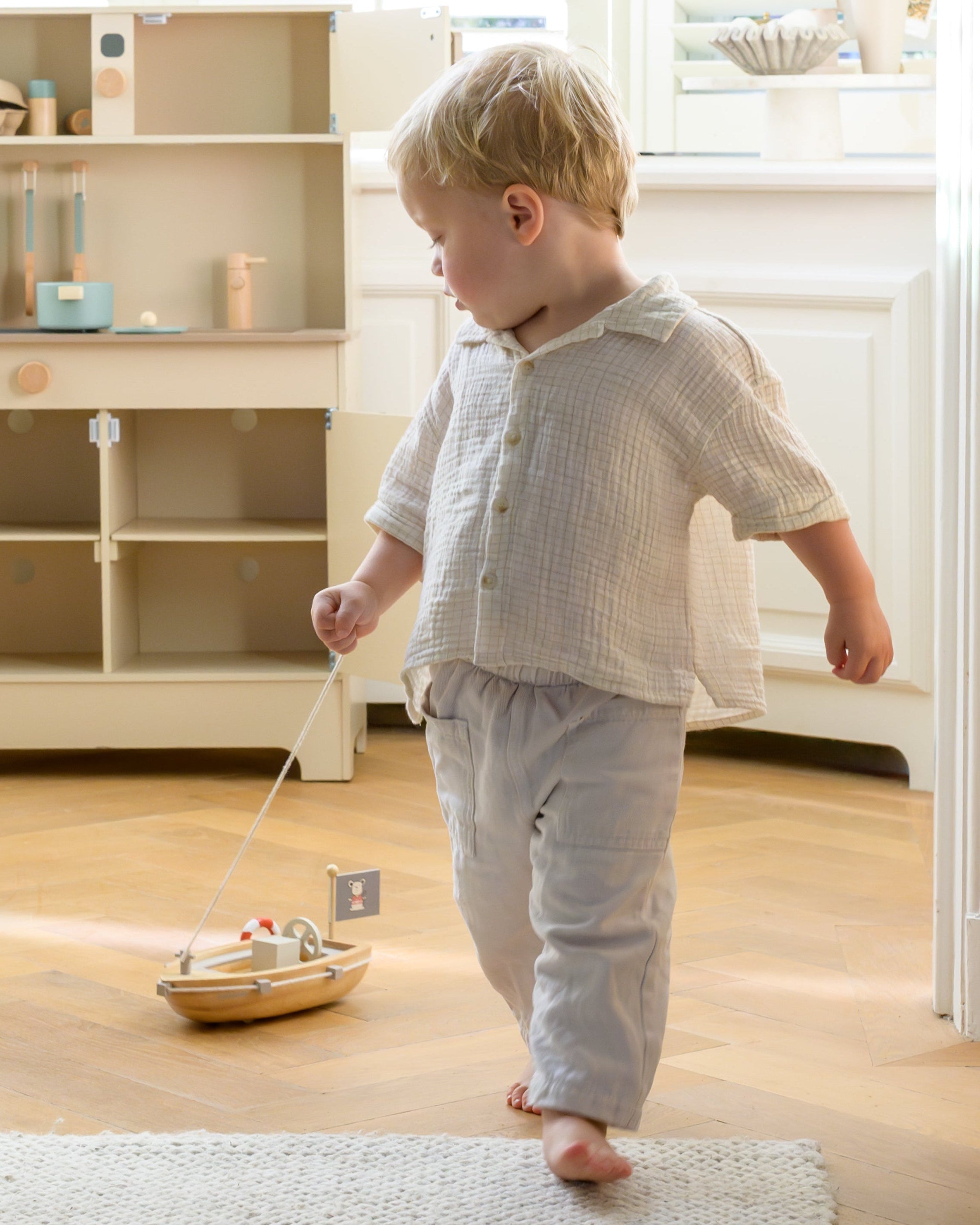
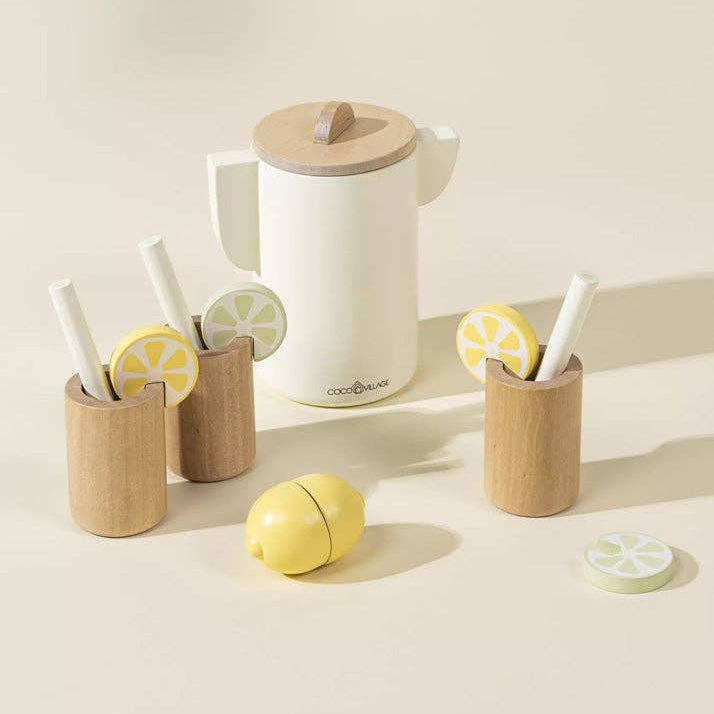
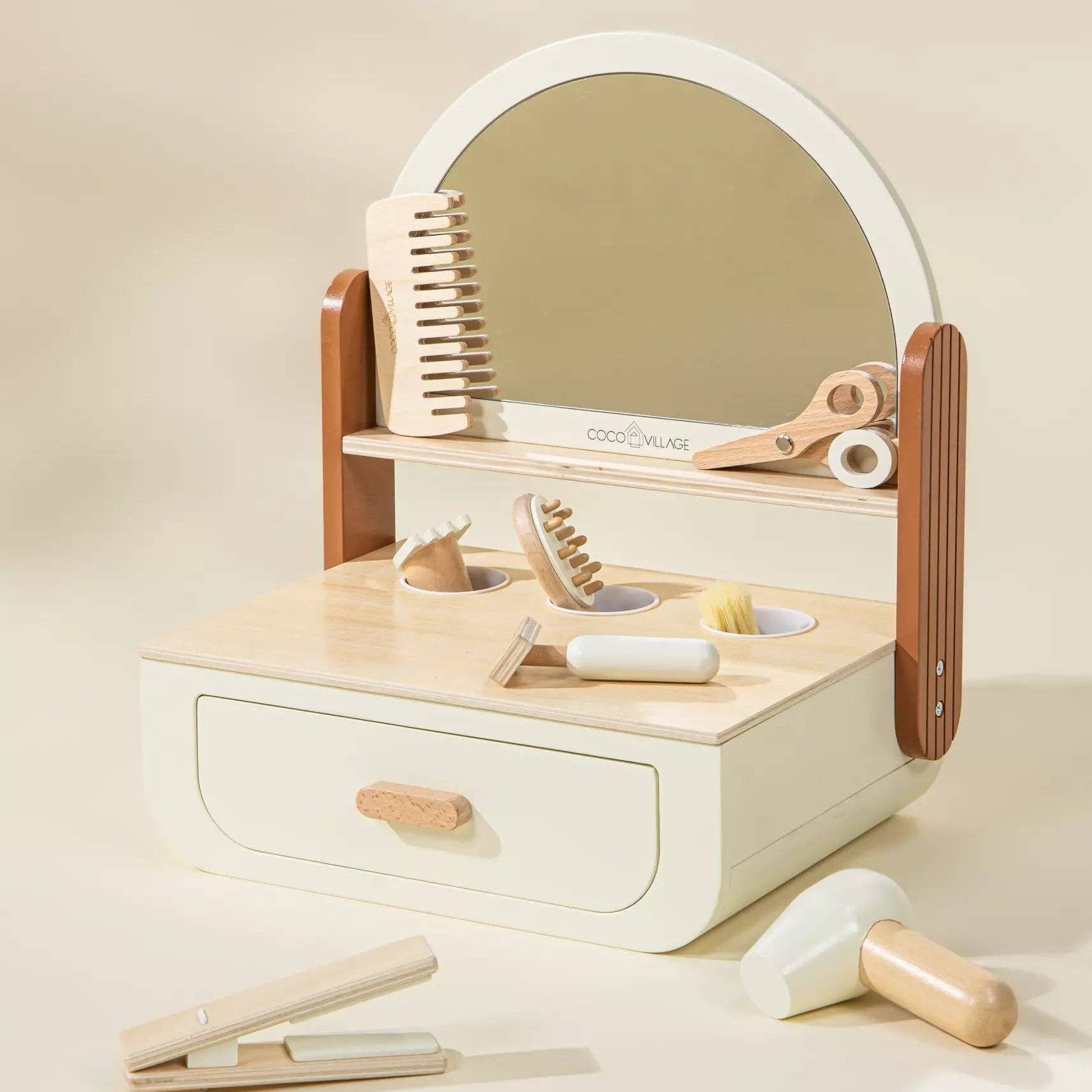
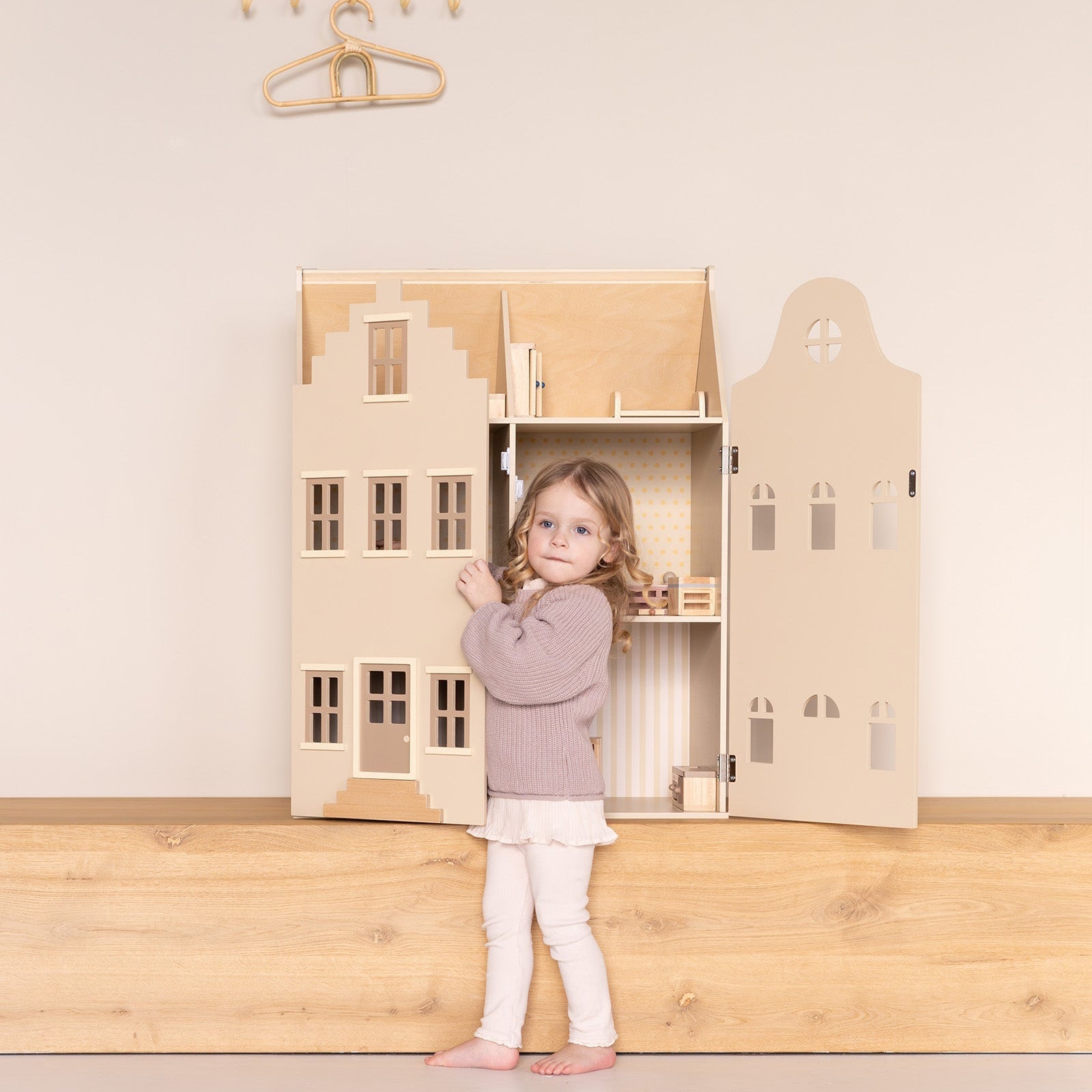
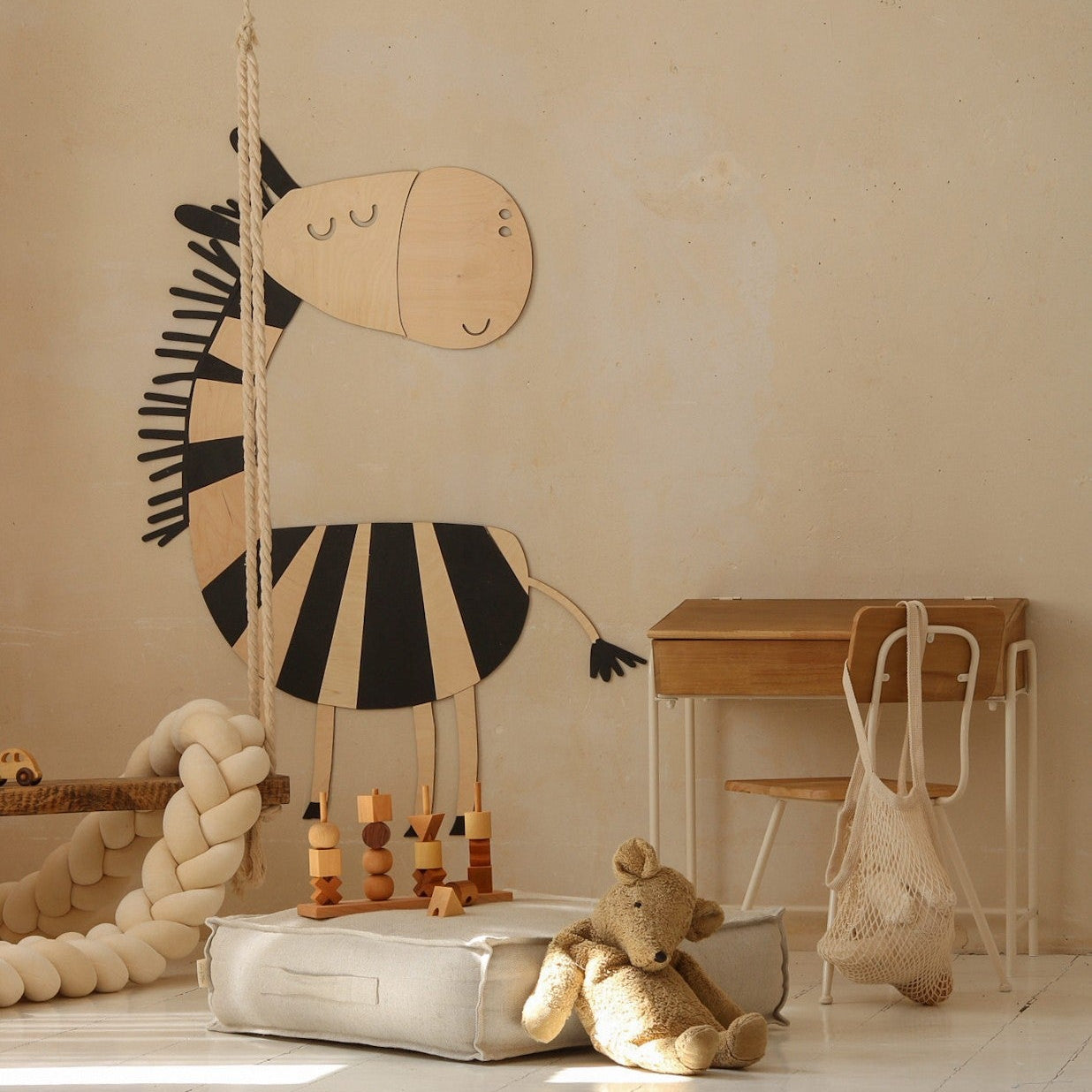
Solid wood feels heavier, wears more beautifully, and is repairable. Good quality plywood works just fine too, especially for larger shapes. What to avoid: wafer-thin wood that splinters at the first drop.
2. The finish: water-based paint
Anything a toddler grabs ends up in their mouth sooner or later. Water-based paint and a smooth, well-sanded finish are therefore not a luxury, but the foundation.
3. CE marking according to EN71
The CE marking means that the manufacturer declares compliance with European safety requirements for toys. It is not a quality mark, but it is the legal minimum standard. If it is not there, the answer is simple: do not buy.
4. Timeless design and open end
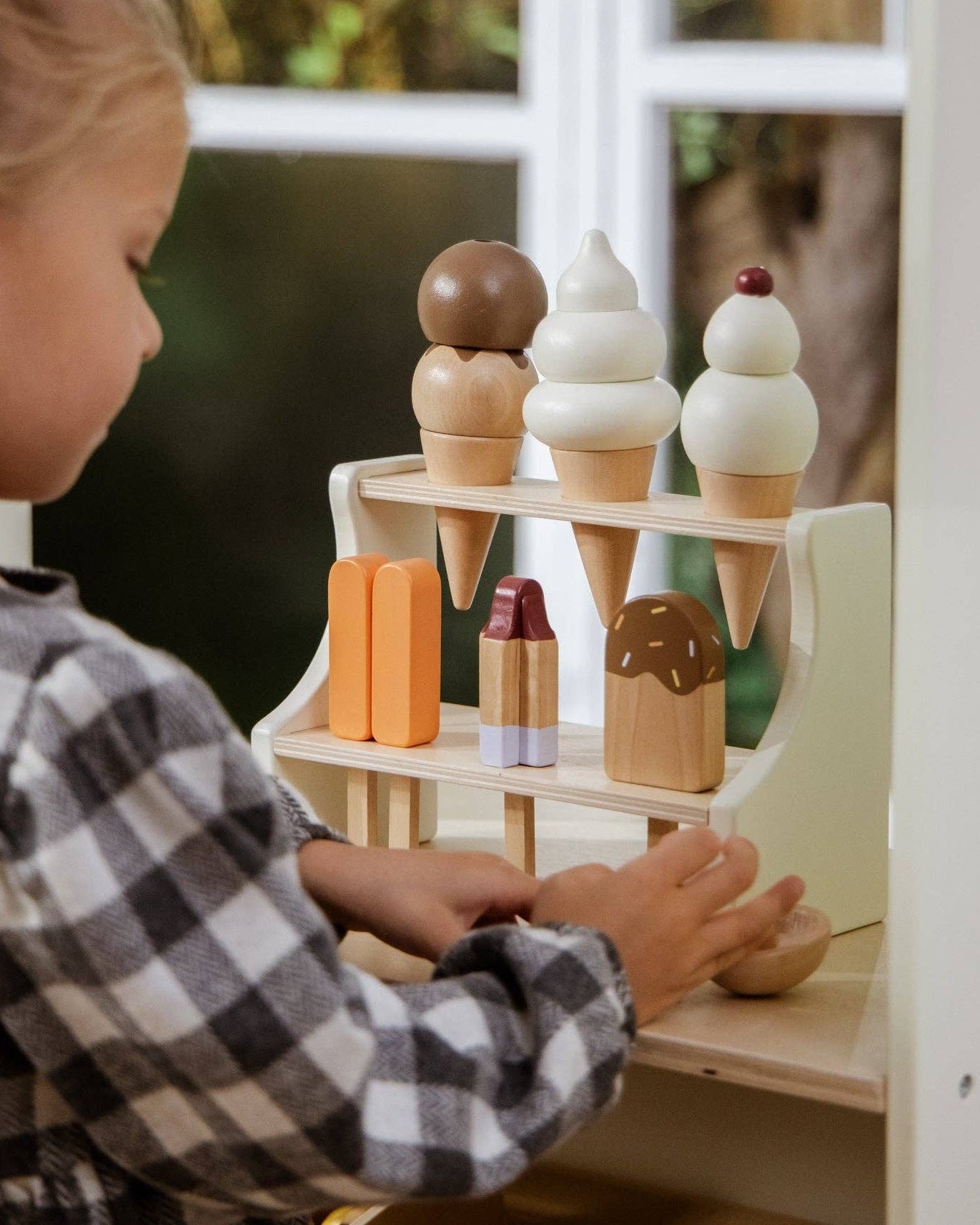
The most sustainable toys are those that are used the longest. Blocks, a climbing triangle, a play shop: the less the toy does on its own, the more the child can do with it, and the longer it lasts.
5. Pass-on value
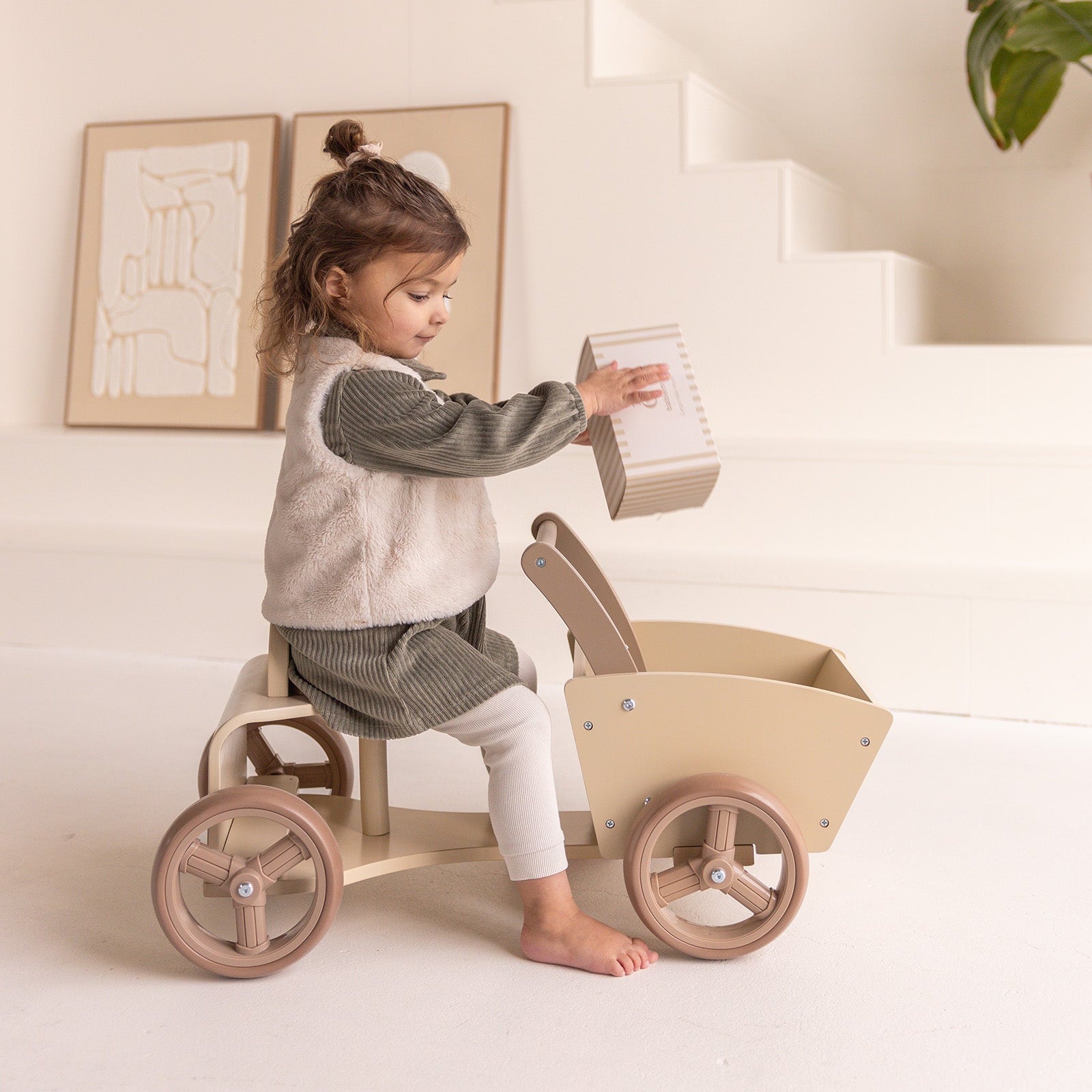
With every purchase, ask yourself: can this go to a little brother, sister, nephew, or the neighbors later? Toys that can withstand a second and third round are the cheapest and most durable per hour of play.
Do they give in plastic?
Let's be fair: plastic has a place. Bath toys, outdoor toys, and building blocks are often simply better made of plastic. Choosing sustainably isn't about dogma; it's about buying less and choosing better. One good wooden set that lasts five years beats three cheap ones that break after the summer.
This is how we select our assortment
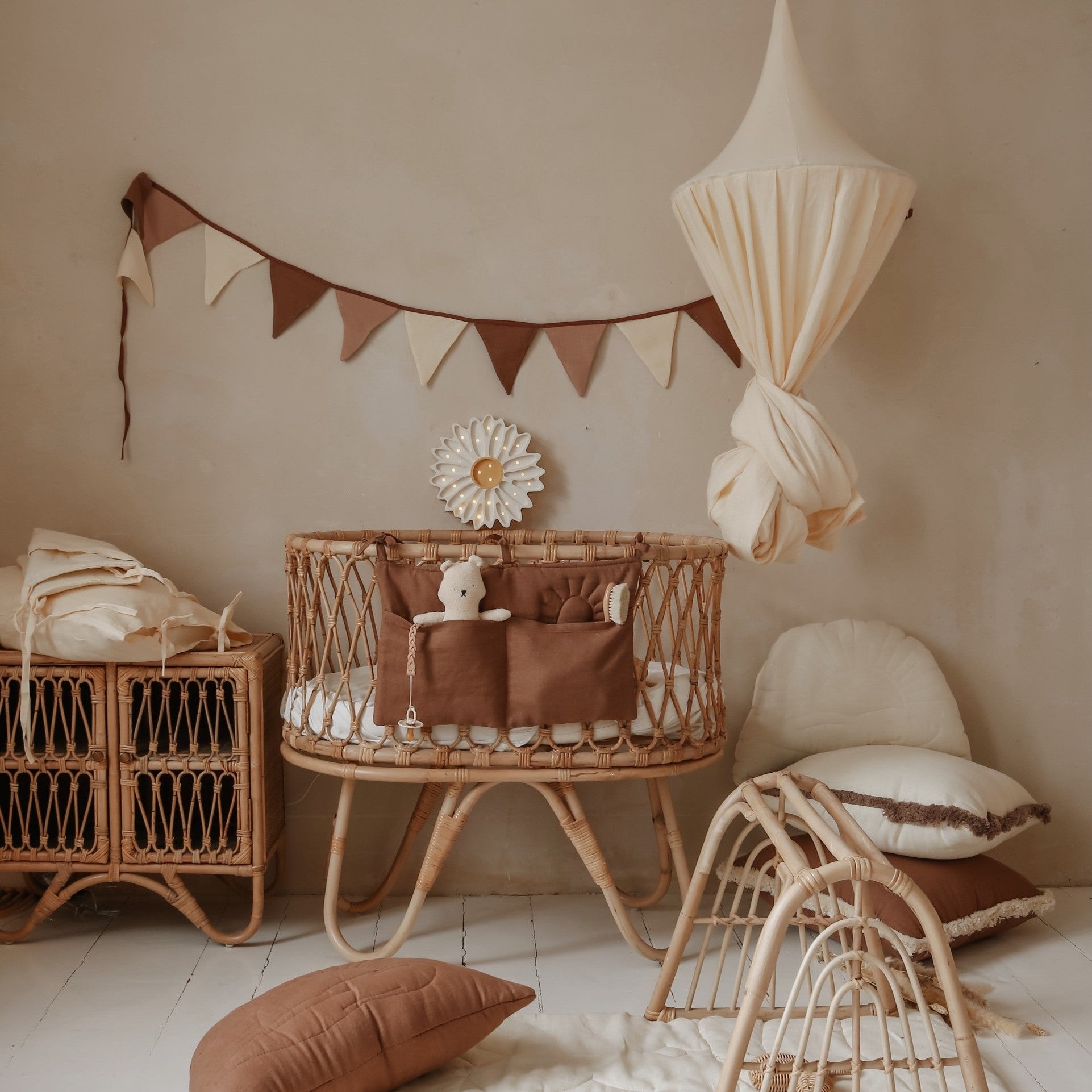
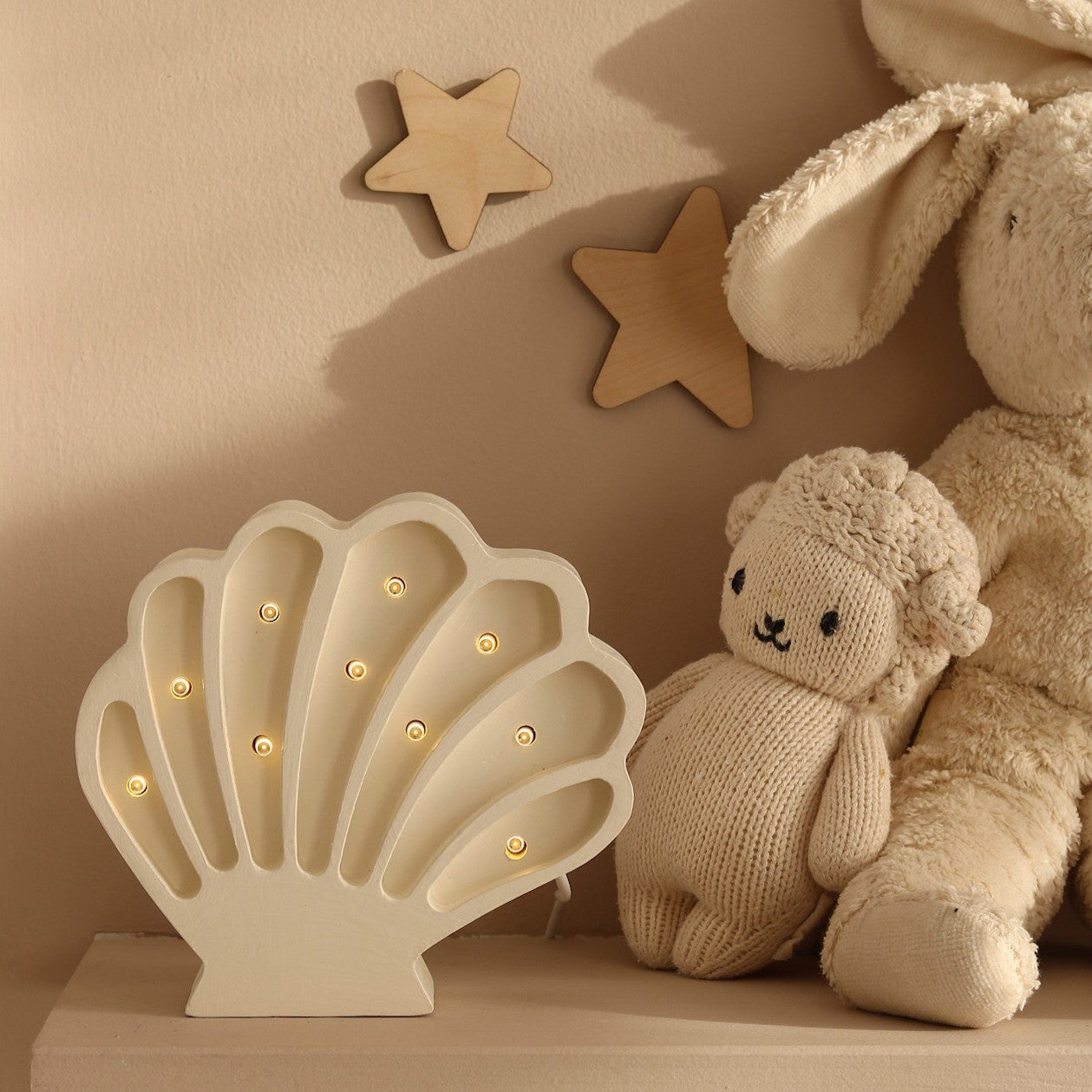
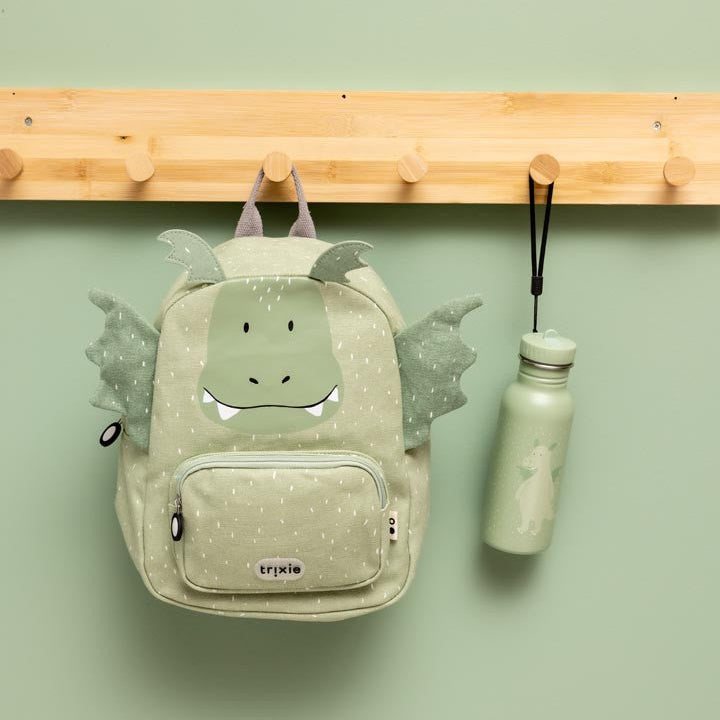
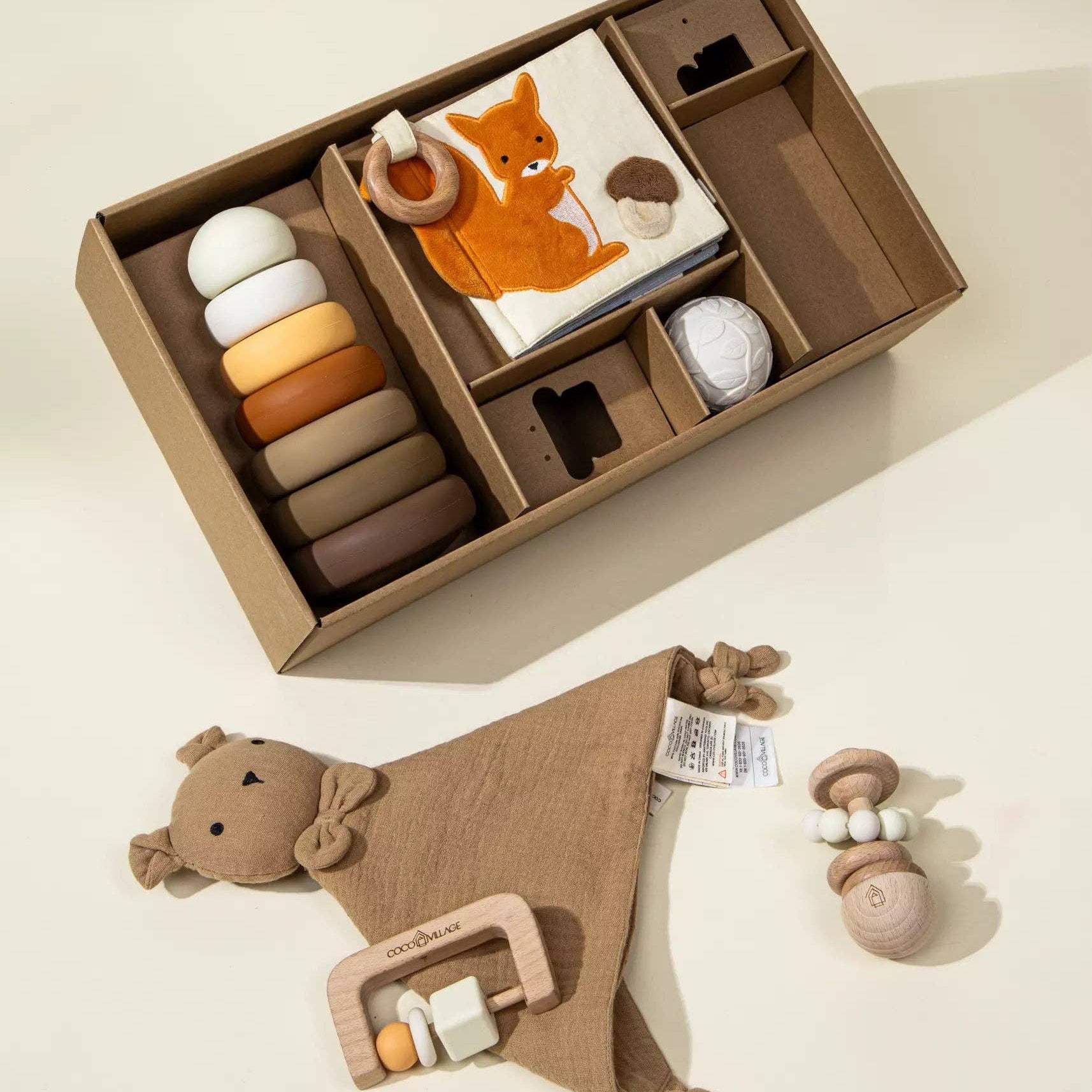
At WoodyKids, we select based on exactly these five criteria. Brands like Coco Village, Little Dutch, and Trixie work with wood, water-based paint, and timeless designs that look just as beautiful in the living room as in the nursery. You will find the age recommendation and certification for every product.
Frequently Asked Questions
Is wooden toy always more sustainable than plastic?
Not automatically. A wooden gadget that becomes boring after a month is less sustainable than a plastic building set that is used for ten years. Lifespan is the most important factor, material comes next.
What exactly does the CE marking mean?
That the manufacturer declares compliance with the European safety standard for toys (EN71). It is a mandatory basis, not an additional quality seal.
Is second-hand toys a good idea?
Yes, perhaps the most sustainable one there is. Do check for splinters, loose parts, and peeling paint, especially with older toys.
Read also
Christmas gifts for toddlers that last a long time
What do you give a child who already has everything?